RecommendFacebook LinkedIn

Tire profiles: JENscan® Tire enables laser-based tire sampling in prototype production

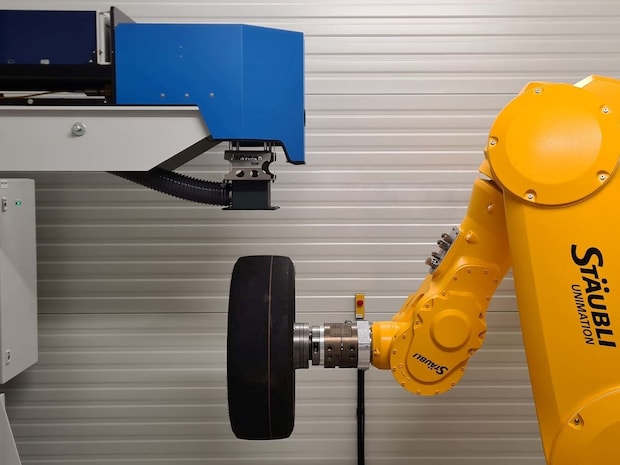
The market demands advanced tire technologies. Growing demands for safety, comfort, energy efficiency, and sustainability require a constant stream of new ideas for tire tread design. At the same time, in line with the automotive trend toward greater variety, vehicle manufacturers are increasingly looking for customized tires for their respective models. However, while the pressure to innovate is increasing due to the growing specialization of tires, bringing products to market often proves to be time-consuming. In classic prototype production, tire treads are carved into the blanks manually. The processing time for a single tire is around one week. This poses a challenge for development engineers. Jenoptik's Laser Processing business unit has developed a solution for this: Jenoptik's JENscan® Tire technology. JENscan® Tire significantly shortens the cycle times for tire developers. It also takes the performance of future tire models to a new level with additional design options.

The key challenges of tire development and prototype production in tire carving

Tire profiles
Kein Alt Text hinterlegt.
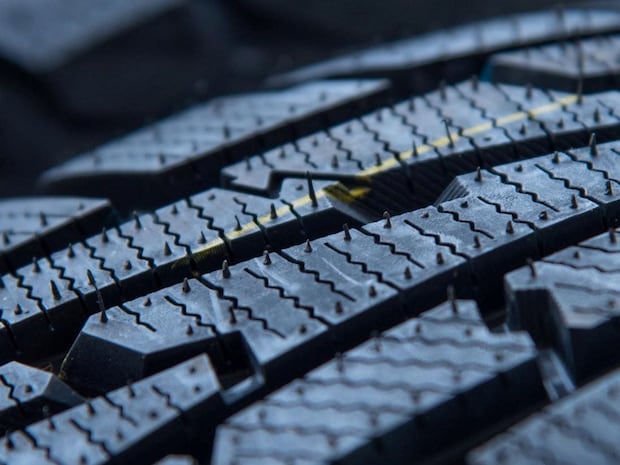
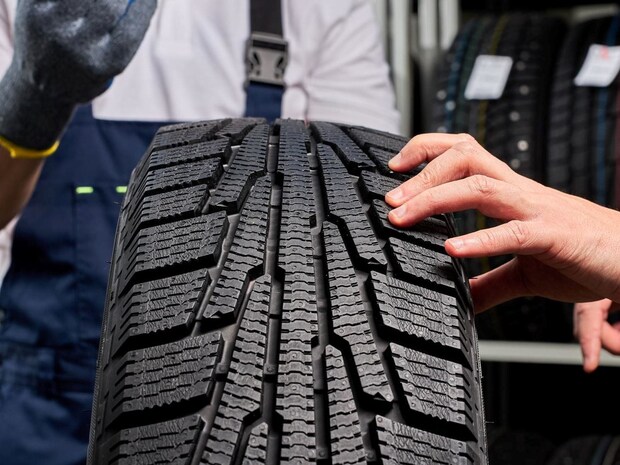
The design of a tire profile determines the characteristics of the tire and the vehicle. The structure of the tire surface should ensure maximum grip and low rolling resistance at the same time. Winter tires provide traction on snow and ice, while summer tires require sophisticated aquaplaning features. However, the market demands all-season tires. The goal is for them to roll quietly and cushion small bumps imperceptibly. At the same time, they should save gas or electricity and be robust and durable.

Tire blanks

Kein Alt Text hinterlegt.
Alongside tire profiles and carcass, the rubber compound is the most important distinguishing feature for tire manufacturers. However, tire blanks cannot be manufactured to be 100% identical, as the material poses particular challenges in terms of machining. Each tire blank baked in a mold is unique due to the properties of its raw material. For example, the blanks have a height or side runout that must be compensated for in further processing.

Tire carver

Kein Alt Text hinterlegt.
Molds are expensive. That is why highly specialized tire carvers use precise manual techniques to cut newly developed tread patterns into raw tire blanks. With modern tread requirements, this type of manual prototype production takes around forty hours of work per tire. This limits the speed and number of prototypes that a manufacturer can produce and test. Semi-automated machine solutions can replace manual labor, but the individual programming and preparation required for each new tread pattern slows down production. 

Rapid prototyping in tire carving: Prototype production of treaded tires using lasers

High prototype repeatability

High process speed

Additional sampling options

Significant increased performance

Shortened time to market

STL-based data preparation

Interesting questions on the topic

How does laser tire carving accelerate tire manufacturers' development cycles?
Jenoptik's JENscan® Tire technology enables development engineers to produce prototype tires much faster and with less effort than before using pulsed laser processing. The JENscan® Tire system quickly, precisely, and repeatably applies the intended tread pattern to tire blanks. During autonomous processing, the engineer in charge can conveniently log into the system remotely to monitor the ongoing process and then return to designing additional tread patterns. The system produces the prototypes within 24 hours. This means that tire developers can test their ideas for a new tread design in practical applications the very next day. This corresponds to an acceleration of up to 80 percent. JENscan® Tire thus increases the speed of innovation and significantly reduces the time to market for new tire models.
How does JENscan® Tire compensate for deviations in tire blanks?
With JENscan® Tire, Jenoptik has combined its expertise in industrial measurement technology and laser processing for another field of application. The integrated solution combining optical sensor technology and laser technology is unique in the tire manufacturing market. The system measures the tire blank and its tread surface with precision. During rotation, the sensor technology applies the data of the desired design to the actual envelope curve. This ensures that any deviations in the blank are identified and immediately compensated for. In addition, the measurement technology ensures that the laser scanner always applies reliably and precisely at the desired location.
Can JENscan® Tire apply fine sipes to winter tread patterns? (Can JENscan® Tire provide rubber with fine sipes for winter treads?)
Yes. With a minimum structure width of 0.2 millimeters, laser processing of tires is suitable for intricate tread patterns. Material removal by JENscan® Tire is completely contactless. The intelligent path planning of the laser scanner and the local extraction of the sublimated rubber minimize the thermal influence on the material. The process is extremely gentle on the remaining rubber compound of the workpiece. Road and abrasion tests show that laser-machined tires and conventionally carved prototypes have comparable properties in terms of rubber behavior. The system thus meets all requirements for fine sipes for winter treads. These represent one of the greatest challenges in conventional manual production of tire prototypes.
What new possibilities does JENscan® Tire offer for tire tread design?
In addition to the autonomous and rapid production of product samples and test models, laser processing of tire blanks offers another decisive advantage over manual prototype production: the contactless removal of the rubber compound opens up completely new possibilities in tread design. Since no force or pressure is exerted on the blank, the surface structuring can be extended to the tread walls and the base area. This supports the development engineers of tire manufacturers in their challenge of meeting the ever-increasing demands on the properties and variety of tires from vehicle manufacturers and their customers, and of improving tire performance.
Can JENscan® Tire read common CAD data for rapid prototyping?
The design data used by engineers to develop new tire profiles is not designed for three-dimensional laser processing. In addition, the data structure and file formats in the custom manufacturing industry vary from manufacturer to manufacturer. Jenoptik has solved the challenge of data preparation and conversion for programming the JENscan® Tire system with a specially developed preprocessor. The preprocessor uses the data provided by the manufacturer in the STL format commonly used in rapid prototyping. The Jenoptik team has created a data format specification for this purpose that describes all the requirements for smooth conversion. Accordingly, the JENscan® Tire software converts the data into a sequence program which, in combination with the recorded measurement data, controls the customized tire production by the system.

Experience JENscan® Tire live

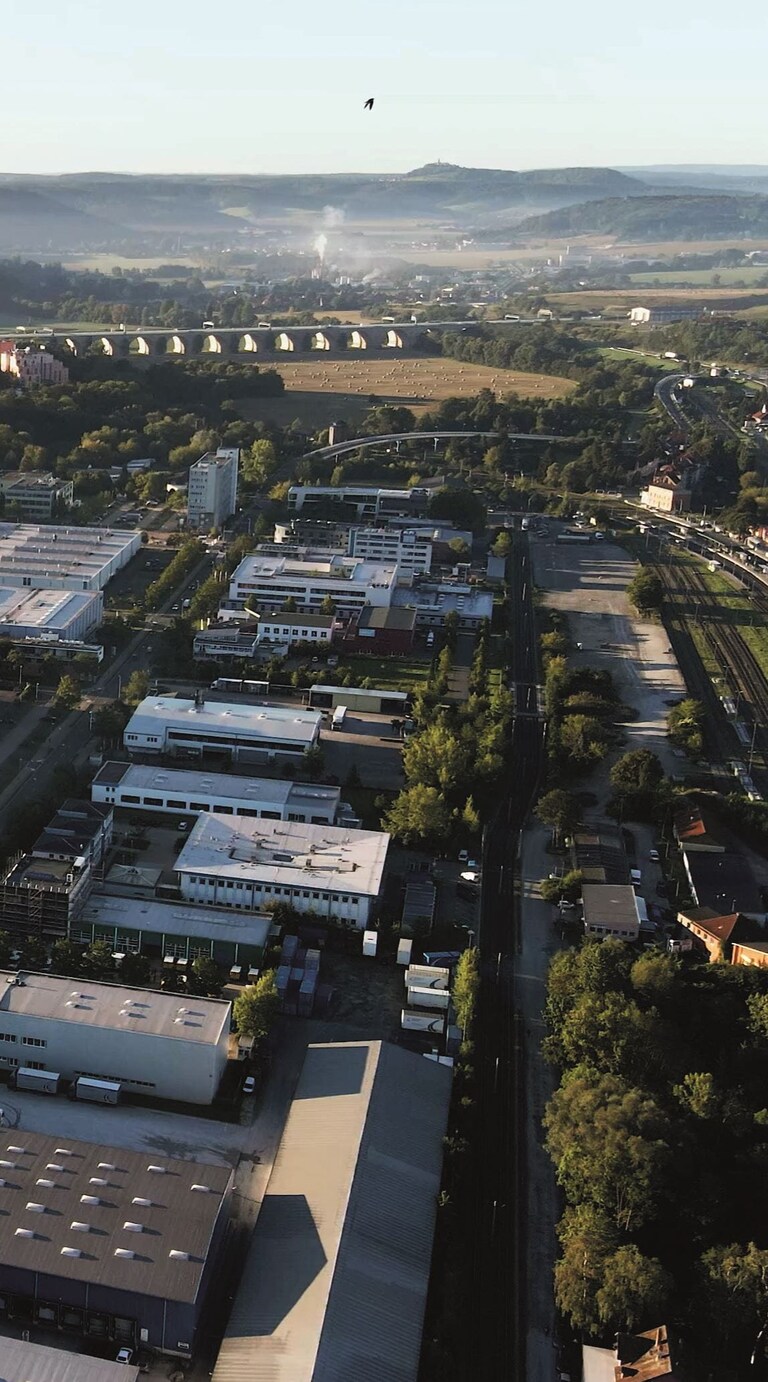
At Jenoptik's customer application center in Jena, tire manufacturers can test specific applications under real-world conditions before deciding to purchase a JENscan® Tire system. Jenoptik supports interested parties in evaluating the integration of laser-based tire carving technology into their development process, both in an advisory capacity and by providing tread samples.
HTML picture-Element

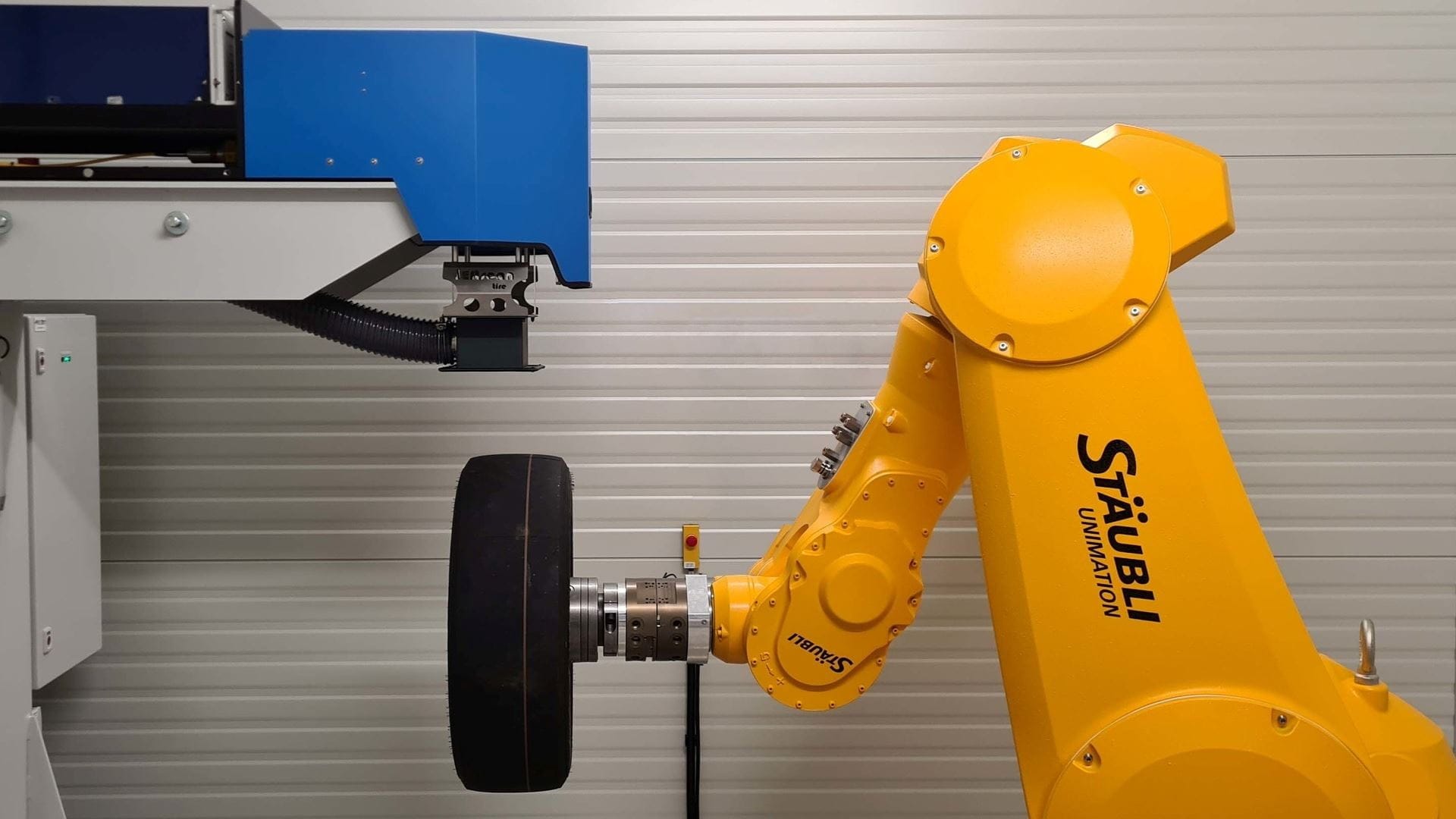
Augmented reality: guided tour of a JENscan® Tire system
Video

Product manager Torsten Reichl presented the JENscan® Tire in a webinar. He guided his audience directly through the laboratory system with the aid of data glasses. The augmented reality format is impressive: the camera function of the glasses allows viewers to explore the JENscan® Tire virtually on their own. The technological details of “rapid prototyping of vehicle tires through precise laser material processing” are vividly demonstrated using the existing machine. For example, Torsten Reichl shows close-ups of specific assemblies while describing them. Afterwards, interested parties are invited to visit and test the system for themselves at the customer application center.

Find out more!

  • High speed

  • Jenoptik preprocessor for data conversion

  • Tire measurement for variance compensation

  • 200µm structure width for precise machining

  • Minimal thermal influence on the material

  • Low data preparation effort

  • Genuine rapid prototyping for tires

  • Faster iteration in tire development

  • Autonomous machine-based prototype production

  • Automatically compensates for tolerances in the tire blank

  • Minimization of development costs per tire/tread type

個人情報

Salutation

お問い合わせ

* = 必須欄です。ご記入ください。